
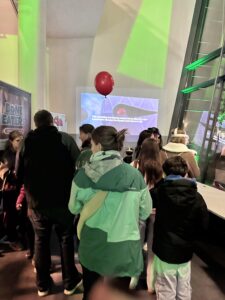
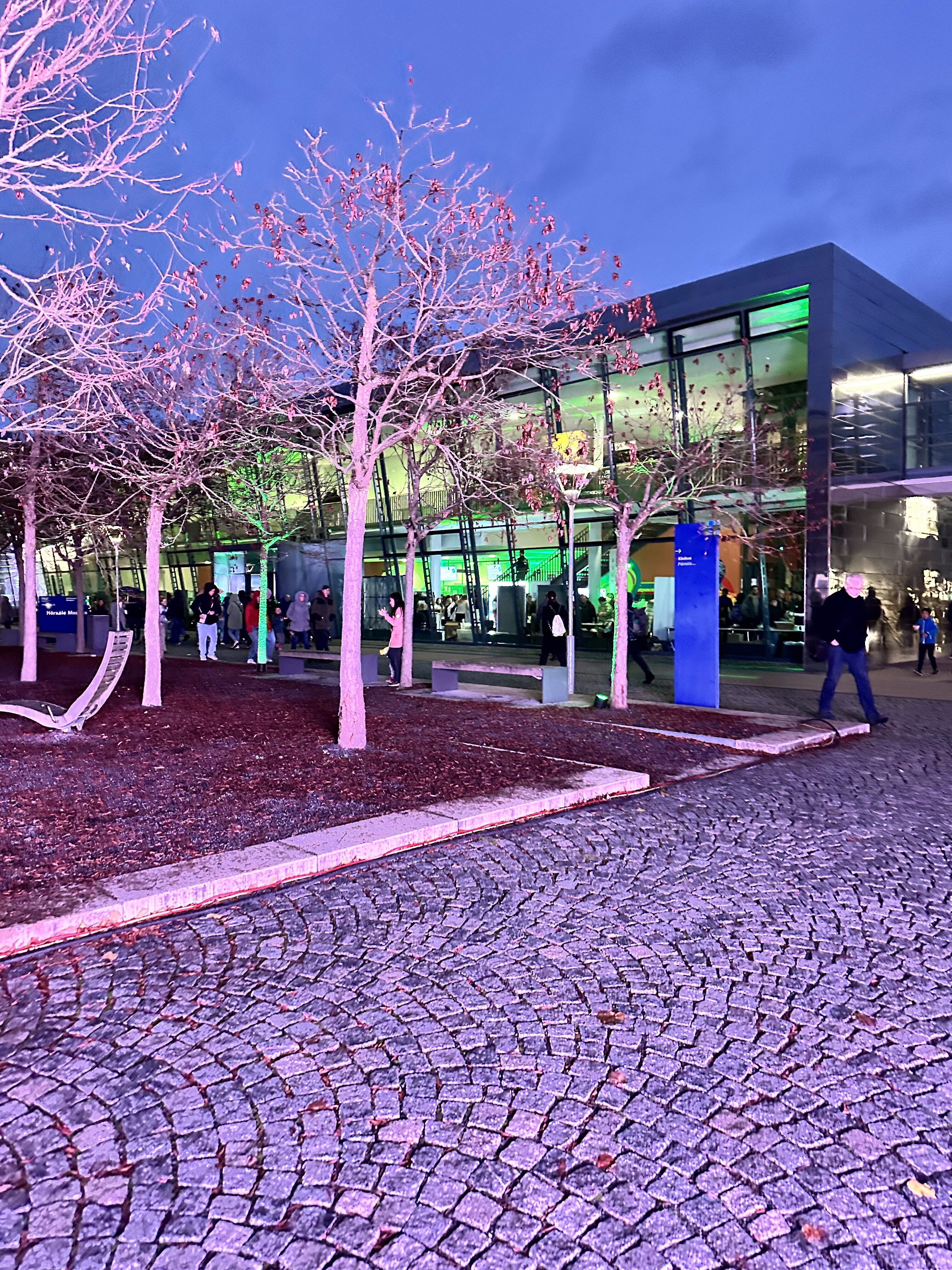
From the first hour until midnight, our booth “3D Knowledge Worlds – Explore, Play, Heal” was buzzing with curious and enthusiastic visitors. Experiencing their excitement first-hand was truly inspiring and showed just how powerful digital and interactive formats can be in making science and medicine more accessible.
Our goal is to bridge research, clinical practice, and public understanding — and this evening made it clear just how impactful that can be.
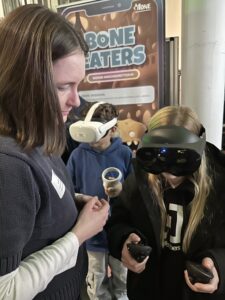
We showcased the first prototype of our XR game BoneEaters. With their smartphones, visitors explored how chronic inflammation leads to bone loss, turning the findings from TRR369 DIONE into a vivid, hands-on experience. The game is free to download in the App and Play Store until the end of the year.
Visitors also had the chance to dive into the CARSLE VR app, experiencing the journey of CAR-T cell therapy — from malfunctioning immune cells to reprogrammed T cells. A powerful way to explain complex treatments and support patient decision-making.
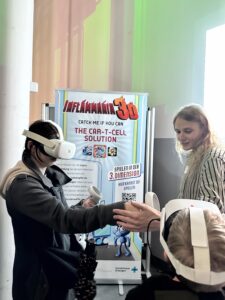
And of course, younger guests loved INFLAMMANIA 3D – The CAR T-cell Solution, our Roblox prototype, which we have developed with master students of Benedikt Morschheuser!
All these projects share a mission: making science engaging and connecting researchers, clinicians, and patients through immersive tech.
A big shout-out to our amazing interdisciplinary Inflammation Research Erlangen Team at Deutsche Zentrum Immuntherapie (DZI), Universitätsklinikum Erlangen and FAU Erlangen-Nürnberg – thank you for your creativity, teamwork, and commitment to making such formats possible!
Meet our Researcher: Stephen Ariyeloye
What is your current position?
I am a PhD student at the Institute for Clinical Chemistry and Laboratory Medicine, TUD, Dresden.
What is your main research focus?
My research focuses mainly on unraveling the regulatory mechanisms linking chronic gut inflammation and bone loss. Specifically, we are investigating the interplay between gut vascular
barrier dysfunction and bone loss in the context of intestinal inflammation induced by altered systemic erythropoietin (EPO) levels.
What does your typical workday look like?
My typical day at work involves planning and performing experiments, analyzing experimental data, literature review, attending lab and scientific meetings, as well as discussing ideas and results with my supervisor and other colleagues.
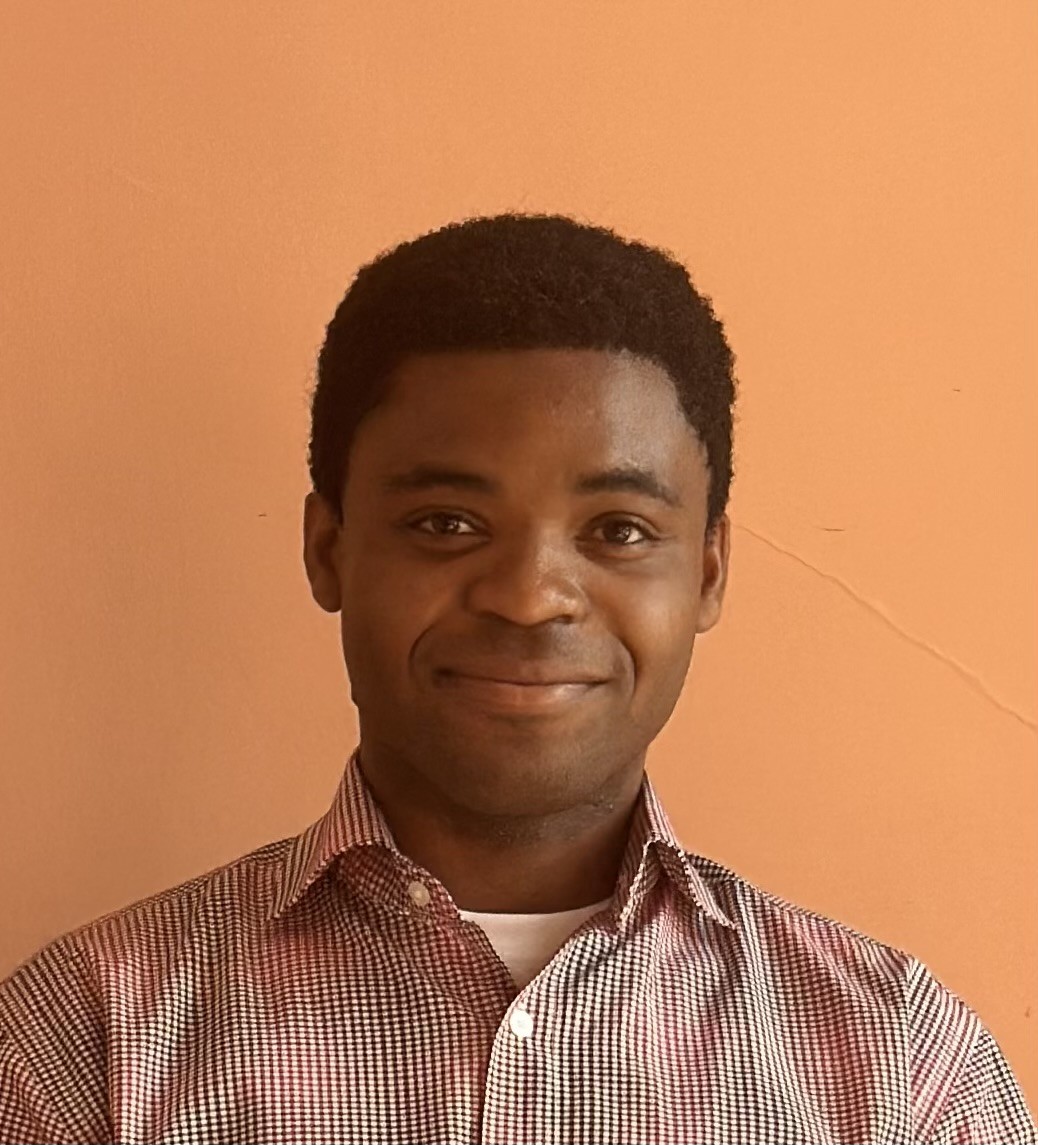
Meet our Researcher: Dr. Aline Bozec
What is your current position?
I am Professor of Experimental Immunotherapy and scientific director of the Department of Medicine 3 – Rheumatology & Immunology at Friedrich‑Alexander‑Universität and Uniklinikum Erlangen. I also serve as the speaker of the Transregio CRC 369 “DIONE – Degeneration of Bone due to Inflammation”.
What is your main research focus?
My research team investigates the cellular and molecular mechanisms underlying inflammatory bone loss in autoimmunity and osteoporosis. We focus on: The interplay between immune cells (eosinophils, B cells) and bone-resorbing osteoclasts in diseases such as rheumatoid arthritis. Novel metabolic and signaling pathways — including L-arginine metabolism, hypoxia‑inducible factors (HIFs)— that regulate osteoclast differentiation and activity.
What does your typical workday look like?
A typical day includes mentoring PhD students and postdocs, coordinating ongoing projects within DIONE, and analyzing experimental data from in vitro and in vivo models. I lead lab meetings to align on research progress, interact with clinical collaborators, and work on grant proposals and publications.
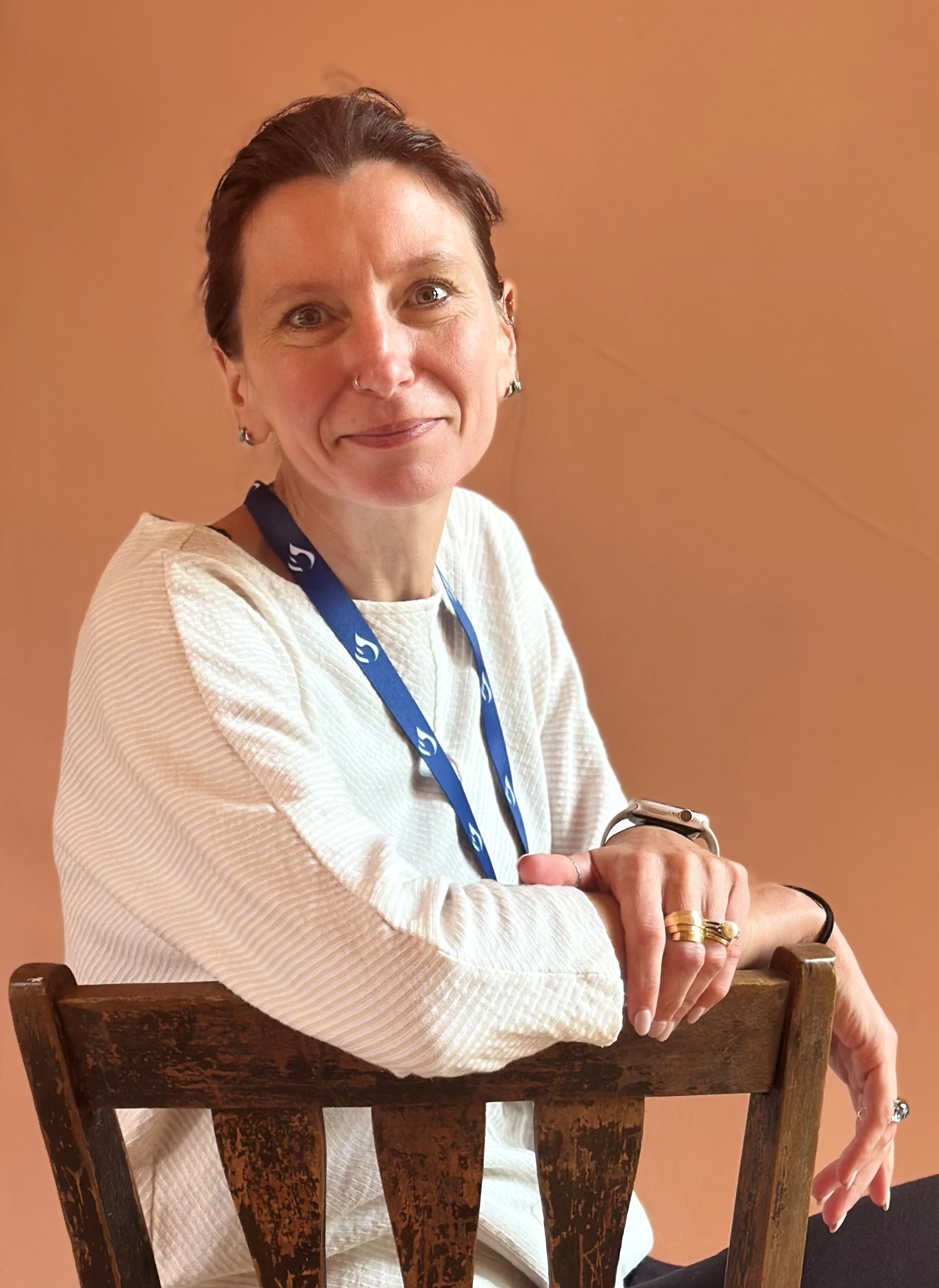
Meet our Researcher: Dr. Claudia Günther
What is your current position?
I am Professor of Gastrointestinal Pathophysiology at Friedrich‑Alexander‑University and Uniklinikum Erlangen. I also serve as the co-speaker of the clinical research group CRU 5024 focusing on gut-brain communication (Gb.com) as well as the speaker of the Erlangen Vesicle Initiative.
What is your main research focus?
My research team investigates the cellular and molecular mechanisms governing communication across organs and even biological kingdoms in the context of immune-mediated inflammatory diseases. Our work focuses on dissecting host-microbe interactions, organ-to-organ crosstalk, and metabolic alterations along critical axes such as the gut-bone, gut-liver, and gut-brain axis. A major aim of our research is to translate these mechanistic insights into innovative therapeutic and diagnostic strategies, with the long-term goal of modulating cellular communication to prevent or treat inflammatory diseases more effectively.
What does your typical workday look like?
A typical workday for me involves analyzing data, designing experiments, giving lectures, teaching, mentoring students, and coordinating ongoing research projects.
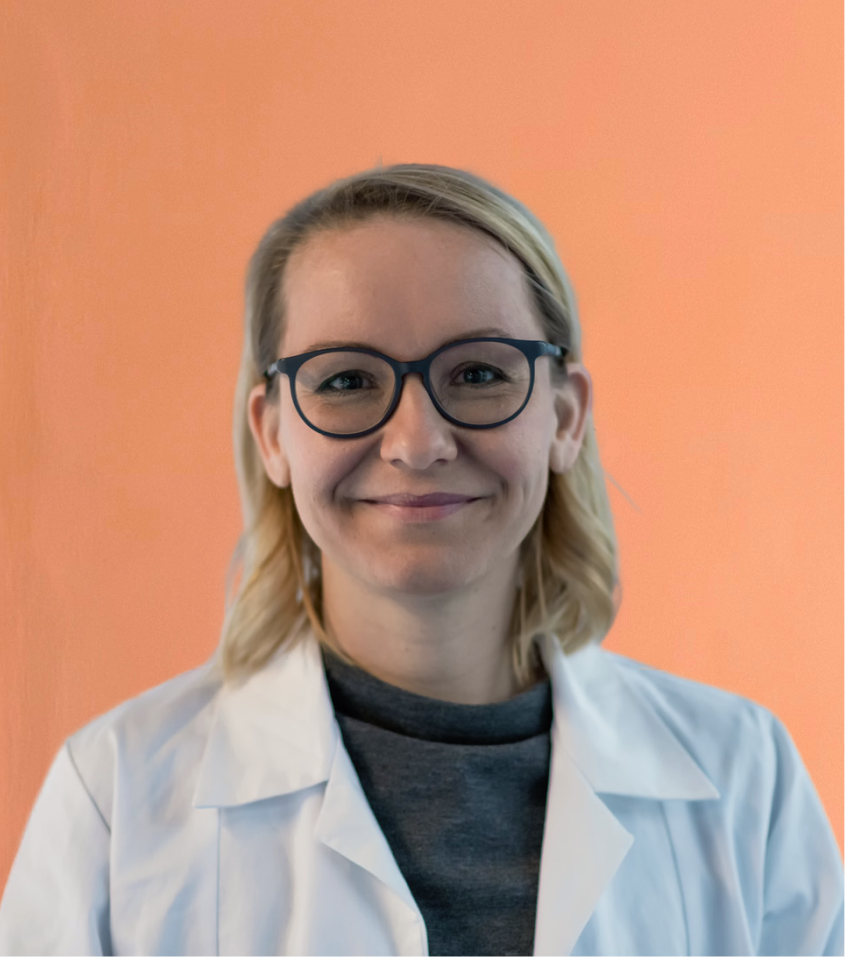
Meet our Researcher: Dr. Inga Viktoria Hensel
What is your current position?
I am a Senior Postdoc and Principal Investigator in the Laboratory for Gastrointestinal Pathophysiology. As a next step in my career I want to establish my own research group.
What is your main research focus?
My research focus is on understanding how changes in the epithelial barrier shape immune responses in distant organs. More specifically I am interested to unravel microbiome-host communication and its impact in gut-bone communication.
What does your typical workday look like?
My typical day includes project management and a lot of communication. I meet with technicians and students to discuss their experiments and follow up on collaborations. I analyze data from experiments and interpret them in the scientific context. I create presentations or write grant proposals. And if there is any time left, I catch up on latest literature.
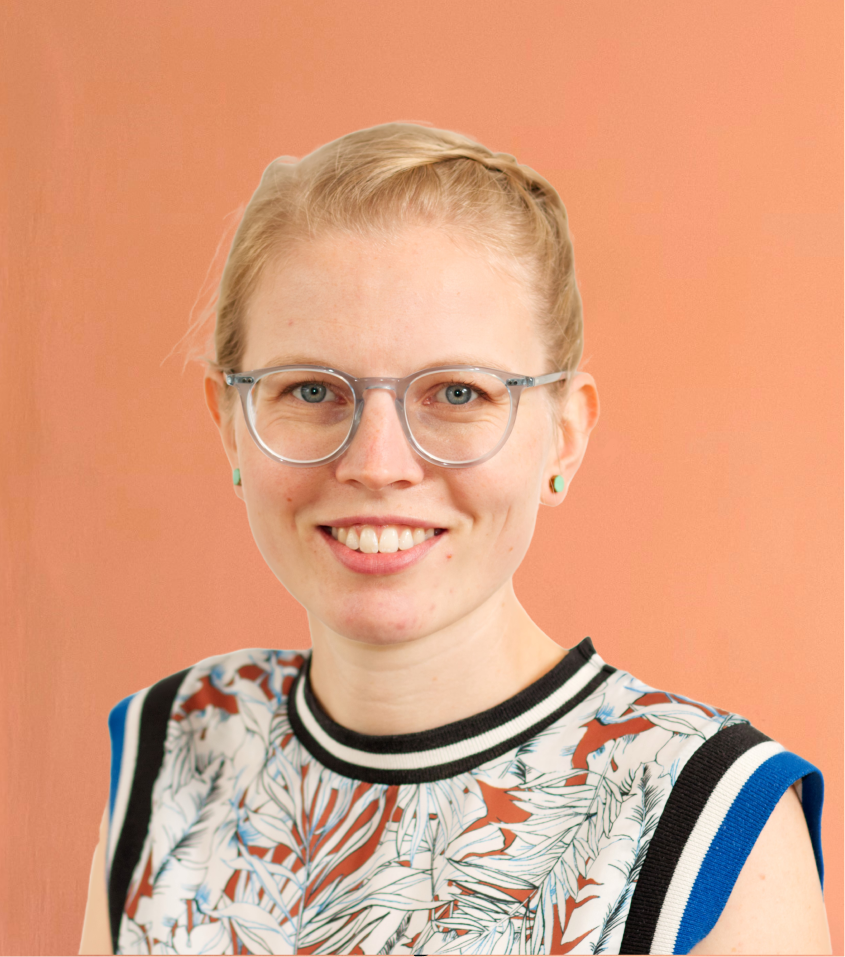
Meet our Researcher: Dr. Juliane Salbach-Hirsch
What is your current position?
I am a postdoctoral researcher and Principal Investigator at the Bone Lab Dresden. Within the DIONE network, I am co-leading project A03 together with Prof. Sebastian Zundler (FAU Erlangen) that investigates how gut-derived immune cells contribute to inflammatory bone loss. Aside from DIONE I direct the interdisciplinary REGAGforBone consortium conducting preclinical tests in models of bone regeneration.
What is your main research focus?
My research focuses on how extracellular matrix components and immune signals regulate bone remodeling. I study how molecules such as glycosaminoglycans modulate pathways like WNT and RANKL/OPG, affecting osteoblast and osteoclast function. A key part of my work is the development of biomaterials that harness these mechanisms to improve bone regeneration under pathological conditions. Building on my previous work, we now investigate what may be the drivers of the bone loss observed in patients with inflammatory bowel disease.
What does your typical workday look like?
A typical day includes mentoring and exchanging ideas with students and postdocs, coordinating ongoing projects, and analyzing experimental data from in vitro and in vivo models. I participate in the education of medical students and interact with collaborators on grant proposals and publications. In the BoneLab I also take on lab responsibilities such as serving as the safety officer.
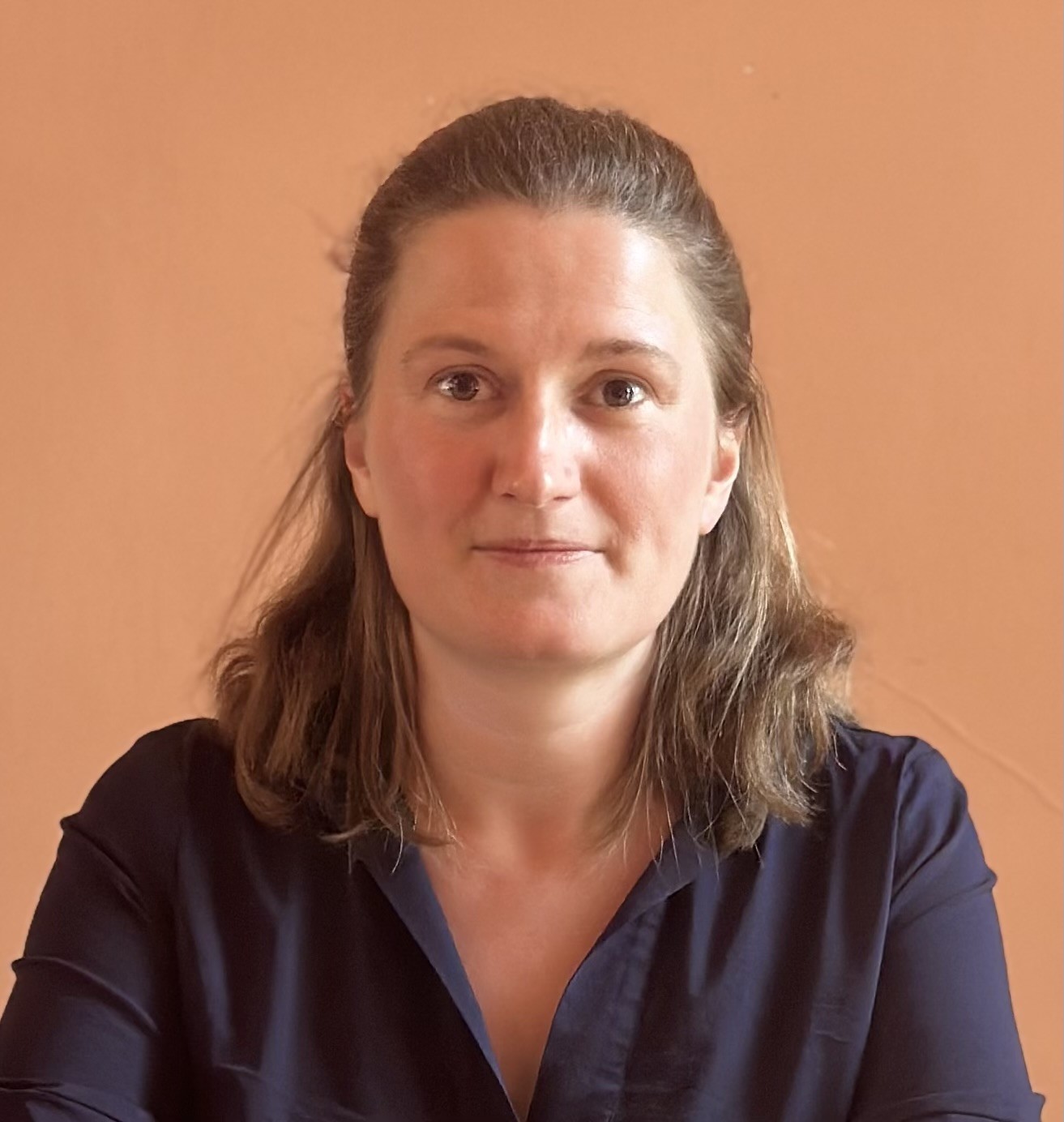
Meet our Researcher: Stefan Rygol
What is your current position?
I am a Dr. rer. nat. student in the group of Prof. Sebastian Zundler at Medicine 1 – Gastroenterology, Pulmonology and Endocrinology at Uniklinikum Erlangen. My project is part of the Transregio CRC 369 “DIONE – Degeneration of Bone due to Inflammation”.
What is your main research focus?
My research focuses on the gut-to-bone axis in inflammatory bowel disease (IBD). I want to better understand the consequences of gut-imprinted immune cell trafficking for bone homeostasis. The molecular and cellular pathways driving inflammatory bone loss need to be better uunderstood.
What does your typical workday look like?
My day normally starts at 8 am, checking my mails, planned experiments and the general schedule for the day. Regularly, I receive samples from our outpatient clinic, isolate cells and do FACS stainings. In the meantime, I try to catch up on data analysis and visualization. Mouse experiment days are a bit different: early start at 6.30 am, constant lab work – happy to leave before 10 pm.
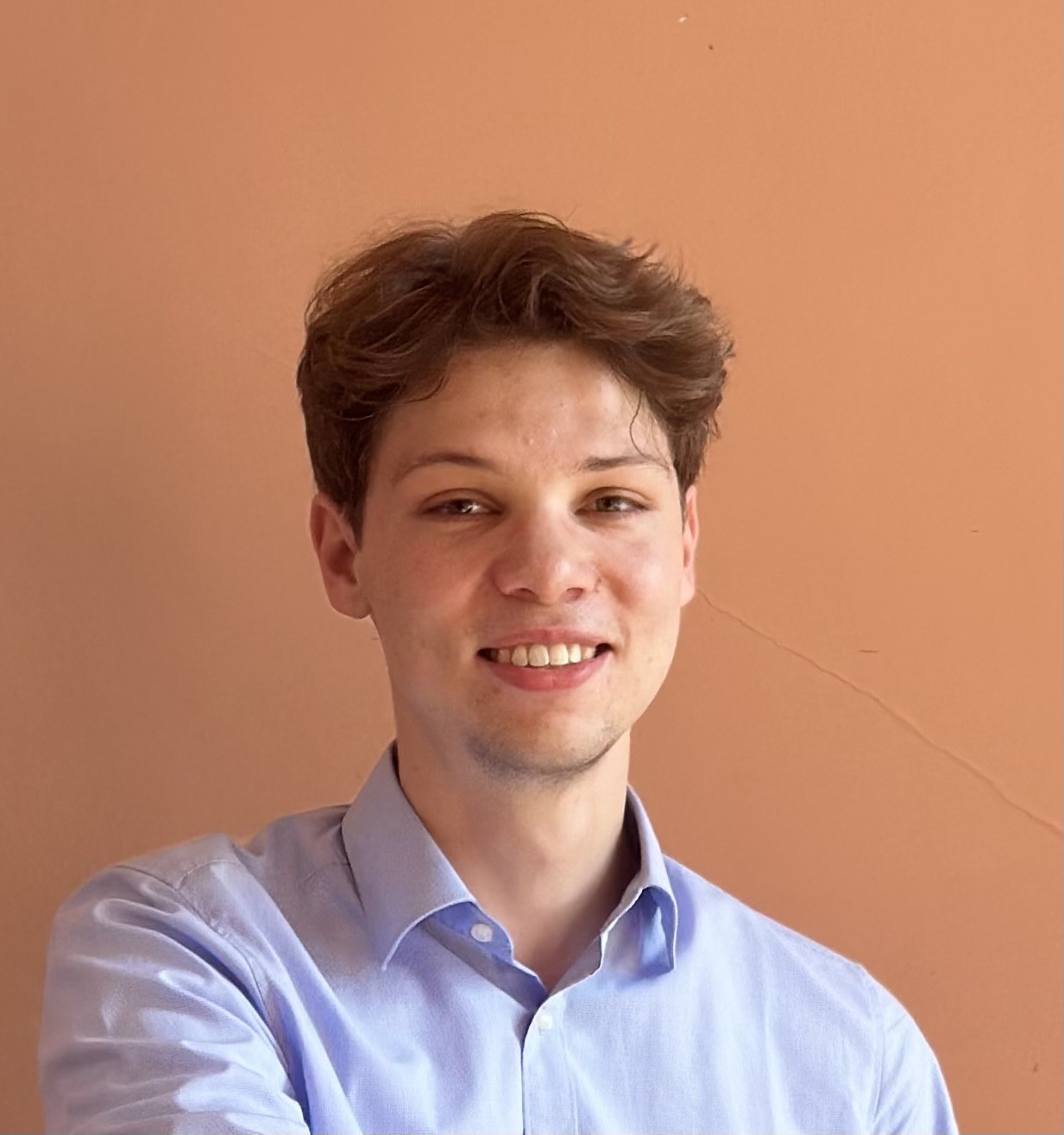
Meet our Researcher: Dr. Claudia Günther
What is your current position?
I am Professor of Dermatology and medical director of the Department of Dermatology at University Hospital Tübingen. I also serve as clinician scientist at the Department of Dermatology at the medical Faculty Dresden at the TU Dresden. I am a PI at the Transregio CRC 369 “DIONE – Degeneration of Bone due to Inflammation”.
What is your main research focus?
My research team investigates the cellular and molecular mechanisms underlying inflammatory skin disease in autoimmunity. We focus on: The impact of innate immune sensing on the development of autoimmune diseases in the skin and its interplay with organ and bone involvement.
What does your typical workday look like?
A typical day includes patient care, teaching of medical students, mentoring PhD students and postdocs, coordinating ongoing projects within DIONE. I lead a clinical department for dermatology, interact with clinical and scientific collaborators, lead lab meetings to align on research progress, and work on scientific presentations, grant proposals and publications.
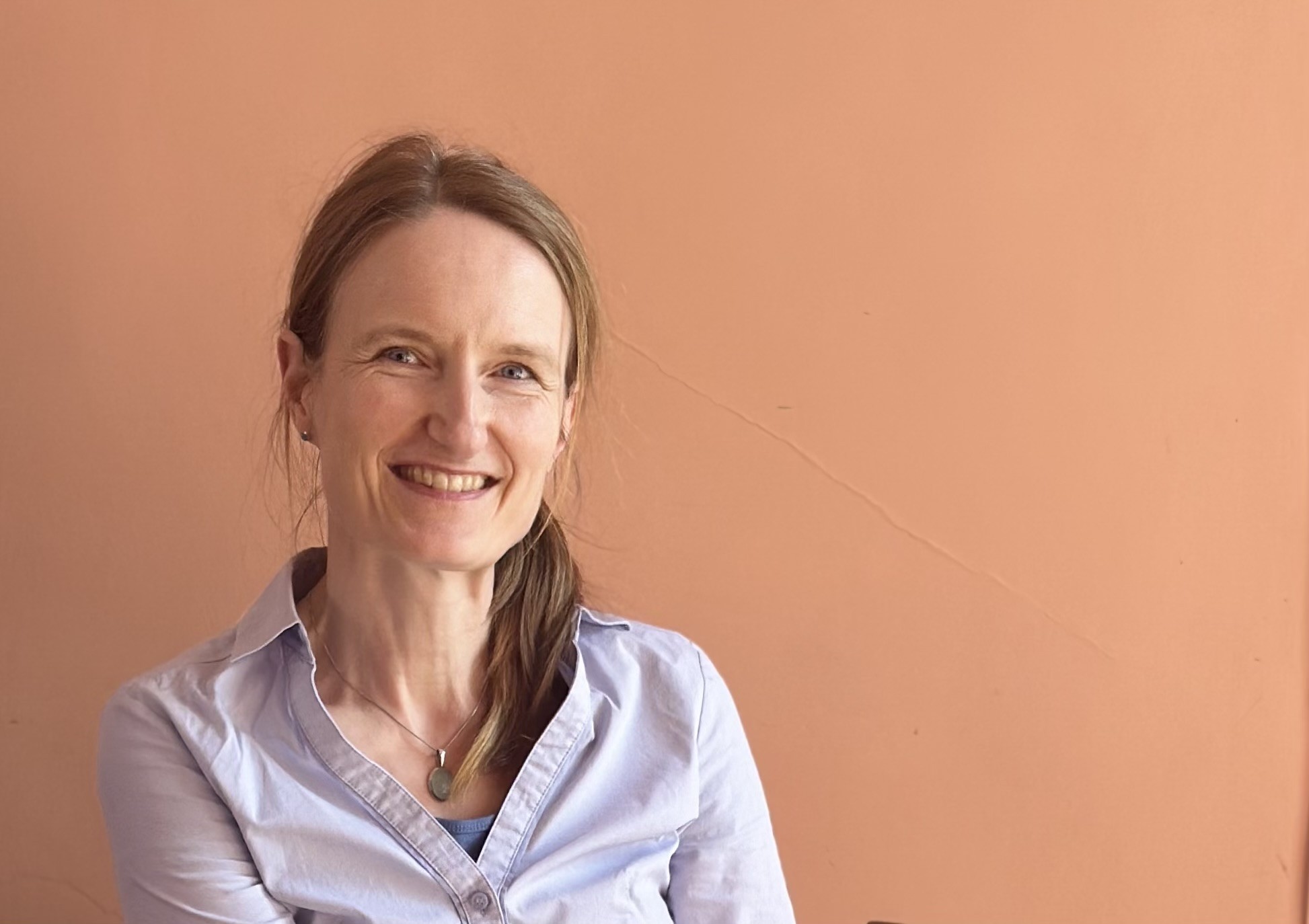
Meet our Researcher: Agnus Monica Davis
What is your current position?
I am a PhD Student of AG Scholtysek and member of the Transregio CRC 369 “DIONE – Degeneration of Bone due to Inflammation”.
What is your main research focus?
Our lab studies bone metabolism, particularly how antimicrobial peptides (AMPs) affect conditions like osteoporosis, arthritis, and periodontitis. My research zeroes in on Transferrin receptor 2 (Tfr2), a protein that helps regulate iron in the blood. While Tfr2 is well-known for its role in iron balance, recent findings suggest it also impacts cells involved in bone health, like macrophages and osteoclasts. I’m investigating how the absence of Tfr2 leads to iron overload and bone loss, using knockout mice as a model. The specific role of Tfr2 in osteoclasts hasn’t been widely explored yet, but the more we dig, the clearer it becomes that Tfr2 plays a major part in bone metabolism. Understanding this could open new doors for treating osteoporosis and bone fragility linked to iron disorders, which is why I’m focused on Tfr2’s role in osteoclasts.
What does your typical workday look like?
As a PhD student, my days usually start early and revolve around hands-on lab work, analyzing data, or designing the next experiments. Right now, my research focuses on both mouse models and in vitro studies, so I spend a good chunk of time in the lab running assays and making sure everything is on track for the next steps.
Activating the Body’s Own Defense: A New Approach to Chronic Inflammatory Diseases
Chronic inflammatory diseases occur when the immune system, usually a finely tuned network, overreacts and attacks healthy tissue. Current treatments often rely on immunosuppressive drugs, such as cortisone, which reduce immune activity but also leave the body more vulnerable to infections.
Prof. Andreas Ramming, immunologist and Deputy Director of the Department of Medicine 3 at Uniklinikum Erlangen, is taking a different approach: reactivating the body’s own cellular defense mechanisms to prevent healthy cells from being mistakenly attacked. This strategy offers new hope for conditions like rheumatoid arthritis and spondyloarthropathies, while avoiding the drawbacks of general immunosuppression.
His team was recently awarded the ERC Proof of Concept grant for this innovative strategy, marking an important milestone on the path to the first human trials.
The potential: a new class of targeted therapeutics that could change the way chronic inflammatory diseases are treated, making therapies more precise and safer for patients.
Meet our Researcher: Mario Zaiss
What is your current position?
I am Professor for Immune Tolerance and Autoimmunity at the Department of Medicine 3 – Rheumatology & Immunology at Friedrich‑Alexander‑University and Universitätsklinikum Erlangen. I also serve as the speaker of the DFG Research Training School “FAIR – Fine-Tuners of the adaptive Immune System” and co-speaker of the DFG Research Unit “PANDORA – Pathways triggering AutoimmuNity and Defining Onset of early Rheumatoid Arthritis”.
What is your main research focus?
Our research team is interested in the underlying mechanisms of the gut–bone axis, with a focus on effector molecules linking both systems. Beyond serving as energy carriers, dietary metabolites act as direct modulators of immune functions. Since immune responses both require and reshape metabolism, our work explores the interplay between immunology, metabolism, and nutrition, aiming to advance the prevention and resolution of inflammation in autoimmune diseases.
What does your typical workday look like?
A typical workday starts with a good double espresso and involves many stimulating discussions with students and project leaders on diverse scientific questions. As a group leader, I am also responsible for funding, including administrative tasks and grant applications. I also contribute to university committees with a strong focus on sustainability in research.
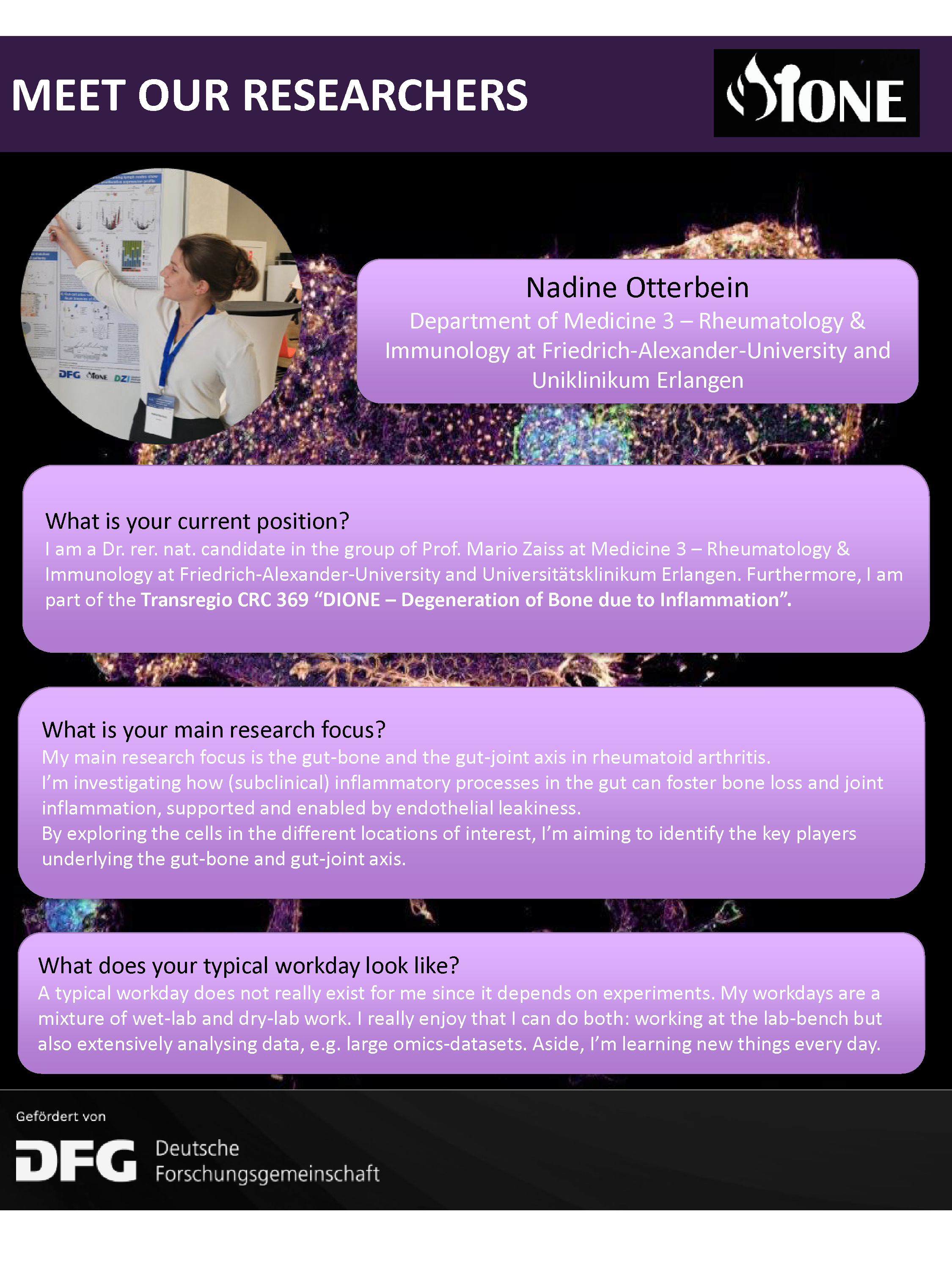
Meet Our Researcher: Nadine Otterbein
What is your current position?
I am a Dr. rer. nat. candidate in the group of Prof. Mario Zaiss at Medicine 3 – Rheumatology & Immunology at Friedrich‑Alexander‑University and Universitätsklinikum Erlangen. Furthermore, I am part of the Transregio CRC 369 “DIONE – Degeneration of Bone due to Inflammation”.
What is your main research focus?
My main research focus is the gut-bone and the gut-joint axis in rheumatoid arthritis. I’m investigating how (subclinical) inflammatory processes in the gut can foster bone loss and joint inflammation, supported and enabled by endothelial leakiness. By exploring the cells in the different locations of interest, I’m aiming to identify the key players underlying the gut-bone and gut-joint axis.
What does your typical workday look like?
A typical workday does not really exist for me since it depends on experiments. My workdays are a mixture of wet-lab and dry-lab work. I really enjoy that I can do both: working at the lab-bench but also extensively analysing data, e.g. large omics-datasets. Aside, I’m learning new things every day.