
What is your current position?
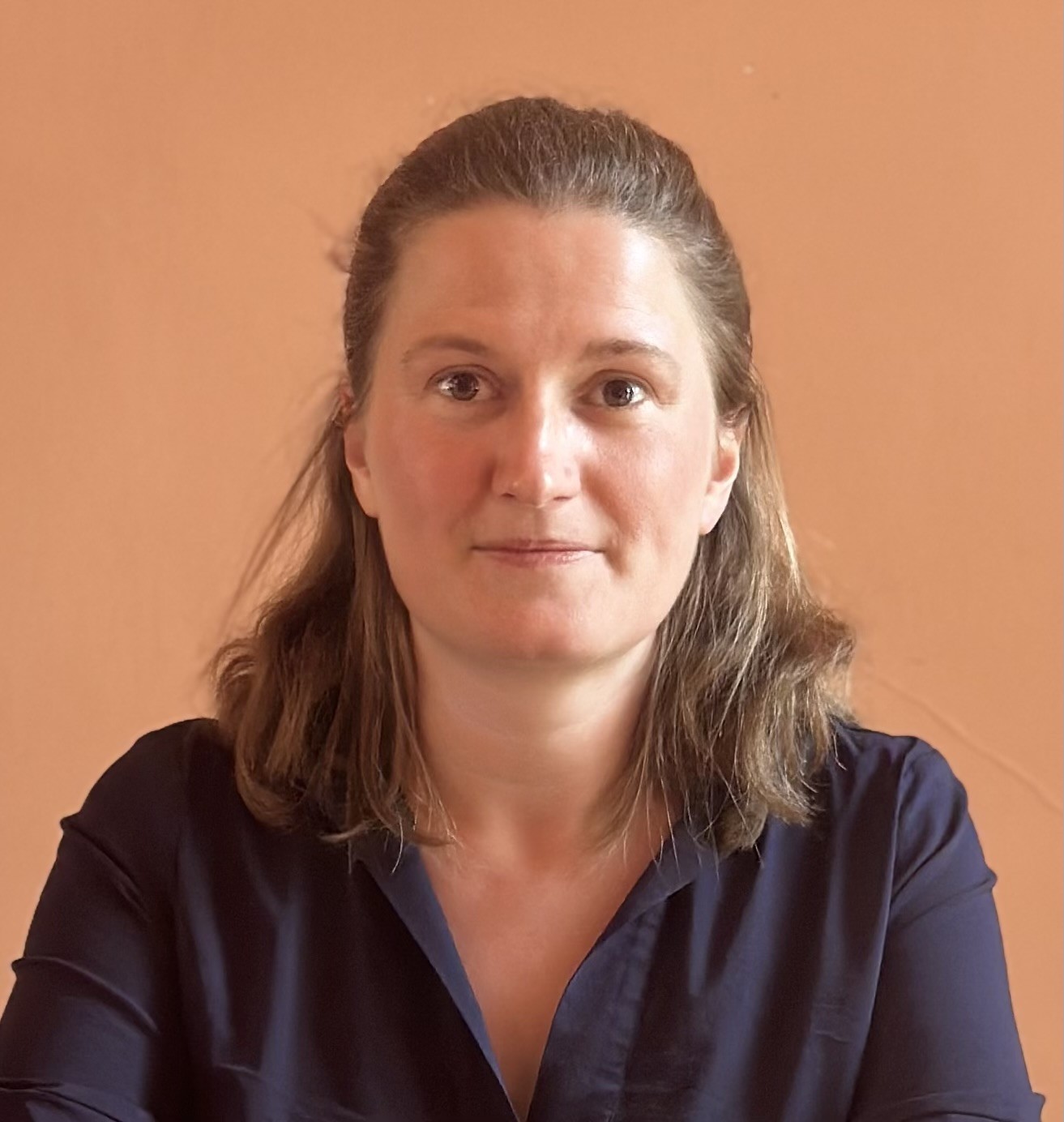
I am a postdoctoral researcher at the Bone Lab Dresden. Within DIONE, I am responsible for the experimental work of project A03 in Dresden, led by Prof. Sebastian Zundler (FAU Erlangen) and Dr. Juliane Salbach-Hirsch (Bone Lab Dresden). Beyond DIONE, I also serve as a principal investigator on osteohematology-related research projects.
What is your main research focus?
My work centers on uncovering how anemia shapes bone health, specifically, how changes in bone-forming osteoblasts under anemic conditions can contribute to osteoporosis. I am interested in the journey of erythrocytes from hematopoietic stem cells in myelodysplastic neoplasms, and how immune cells as macrophages and T cells influence this process. Broadly, my research weaves together themes of anemia and chronic inflammatory conditions (including IBD), all with the goal of better understanding the crosstalk between blood, bone, and the immune system.
What does your typical workday look like?
Not two days are exactly alike, but my work usually balances mentoring, collaboration, and performing experiments. I spend part of my day guiding my PhD student and other trainees, coordinating ongoing projects, and diving into data from in vitro and in vivo models. Aside the lab work, I spend time on preparing applications for study approvals, contributing to grant proposals and publications, and teaching medical students. It is a mix of science, strategy, and teamwork.
Play, explore, and become a Bone Saver
We’re excited to launch Bone Eaters, a free serious game that transforms the scientific work of TRR/CRC 369 DIONE into an interactive 3D experience.
Explore the world of osteoimmunology through playful game mechanics, immersive environments, and real footage from preclinical research. Bone Eaters explains cutting-edge biomedical research and shows how complex science can be made tangible, exciting, and accessible.
🎮 Learn by playing
🦴 Discover how bone and immune cells interact
🔬 Experience real research beyond the lab
👉 Download Bone Eaters now and play it under the christmas tree! It’s free on the App Store and Google Play.
Play, explore, and become a Bone Saver.
FAU Erlangen-Nürnberg, Universitätsklinikum Erlangen, Technische Universität Dresden, Universitätsklinikum Carl Gustav Carus Dresden, Leibniz-Institut für Analytische Wissenschaften – ISAS – e.V., Universität Ulm.
Developer: onliveline.nxt GmbH
Design: Alexander Kreismann


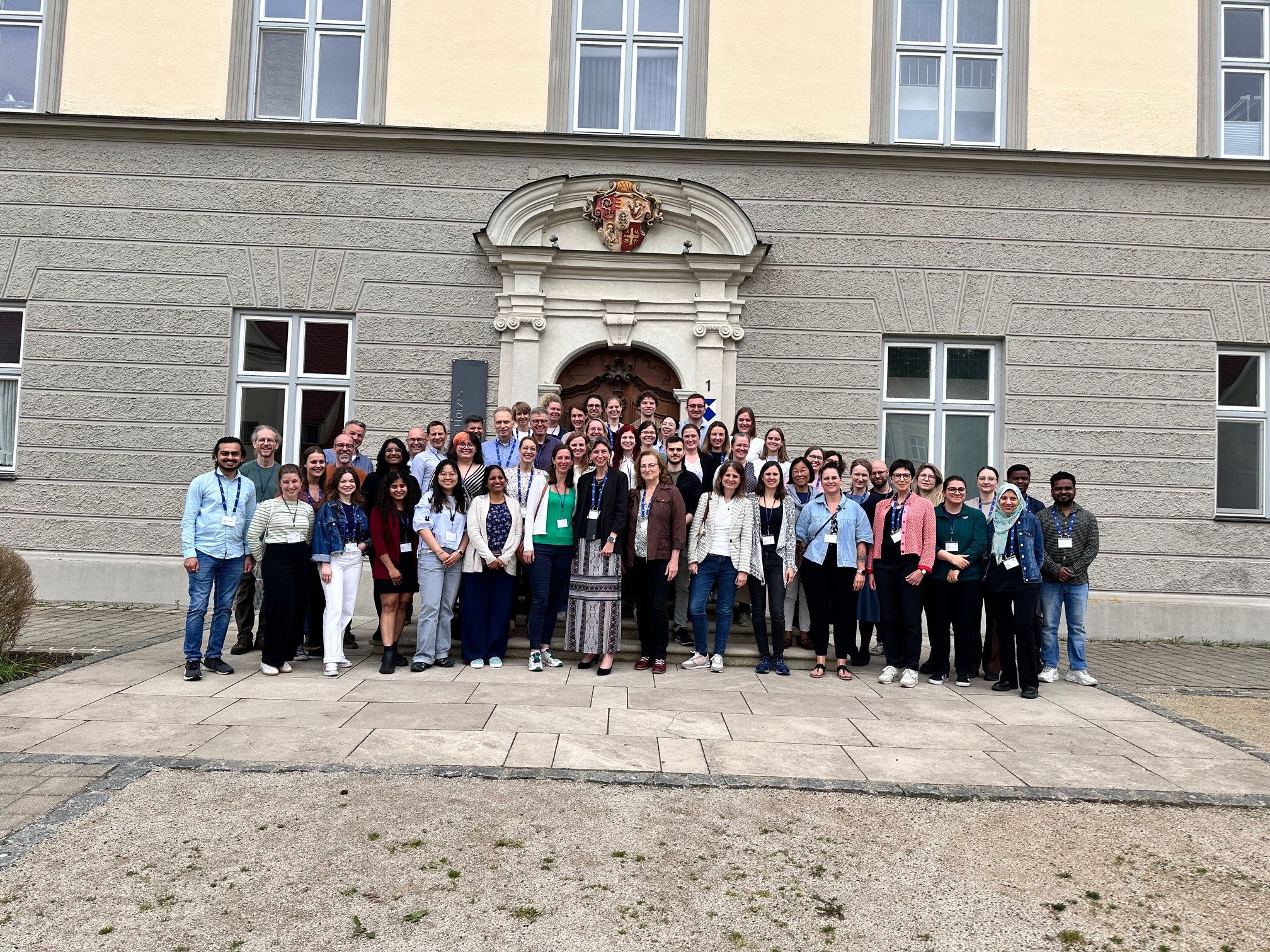
TRR369 DIONE International Retreat 2025
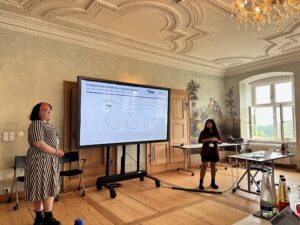
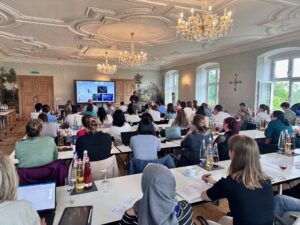
We are pleased to look back on this year’s TRR369 DIONE International Retreat, held in the beautiful setting of Kloster Holzen. During the two intensive and inspiring days, the members of the DIONE consortium exchanged up-to-date information on their ongoing research projects and used the networking opportunities to establish new scientific collaborations.
A particular highlight were the talks of the guests Prof. Geert Carmeliet (Leuven) and Prof. Claudine Blin (Nice), who generously offered fascinating insights into their research and gave us valuable assessments of the scientific status of the consortium. We thank you for your participation and impressive contributions!
DIONE is an interdisciplinary research network at the Erlangen, Dresden, Ulm and Dortmund sites, which is headed by Prof Aline Bozec and Prof Martina Rauner and has been funded by the Deutsche Forschungsgemeinschaft (DFG) – German Research Foundation since 2024.
The research objective of the Collaborative Research Centre/Transregio 369 ‘DIONE’ (DegeneratIon of bONE induced by inflammation) is to understand and specifically influence the complex interactions between the immune system and bone tissue in inflammation-induced bone loss. The long-term goal of DIONE is to develop new therapeutic approaches for the treatment of inflammation-related bone diseases and to pave the way for innovative therapies.
Long Night of Science Dresden
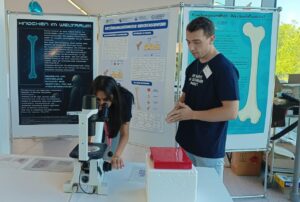
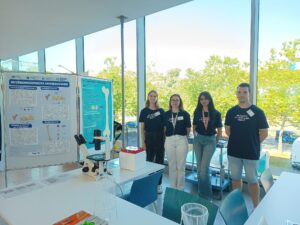
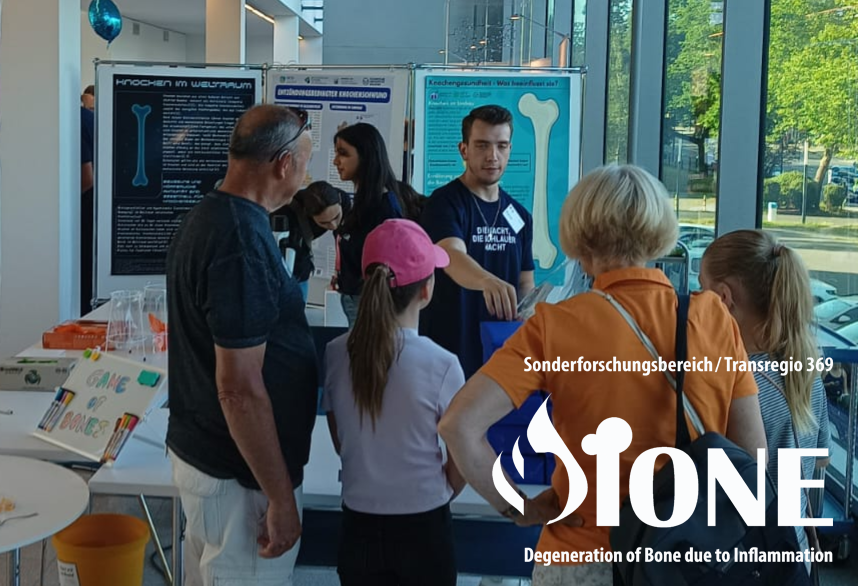
As part of the DIONE Consortium, the Andreev Lab offered exciting insights into research on inflammatory bone loss at the 22nd Long Night of Science in Dresden.
Children explored the interaction between osteoblasts and osteoclasts in a playful way – including observing real cells under the microscope.
There were quizzes, hands-on stations, and answers to questions like: Why do astronauts lose bone mass in space? How does nutrition protect our skeleton?
Adults engaged with scientific posters, fascinating conversations, and showed great interest.
We thank all visitors for a wonderful evening full of curiosity and exchange!
Technische Universität Dresden, AG Darja Andreev, Pauline Porschitz
From the laboratory bench to project management
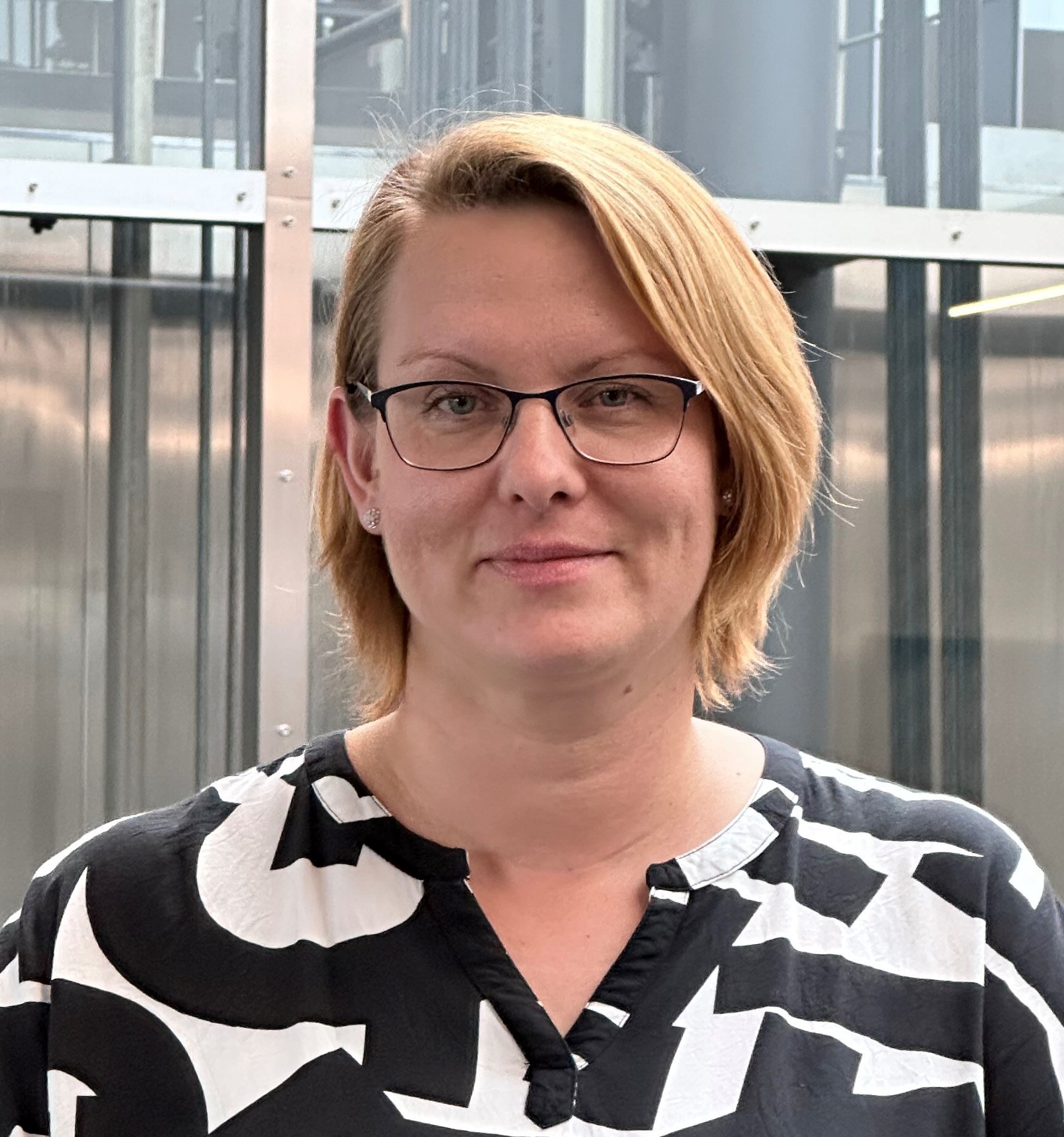
Katja Dreißigacker has joined the clinical and scientific management team at the Department of Medicin 3 – Rheumatology and Immunology as project coordinator for SFB/TRR369 DIONE.
She has been involved in inflammation research in Erlangen since 2012. For many years, she worked in the laboratory, conducting experiments, organising day-to-day research activities and ensuring that everything ran smoothly. She later moved into laboratory management, where she further developed her organisational skills and strengthened teams in their work.
Since 2023, she has been coordinating the NOTICE clinician scientist programme – and now also CRC/Transregio DIONE, which connects the sites Erlangen, Dresden, Ulm and Dortmund.
Katja combines scientific understanding with a keen eye for organisation, teamwork and sustainable structures. She thus builds the perfect bridge between research and management and enriches our team with her energy, determination and experience.
Welcome, dear Katja – we are delighted to have you on our team.
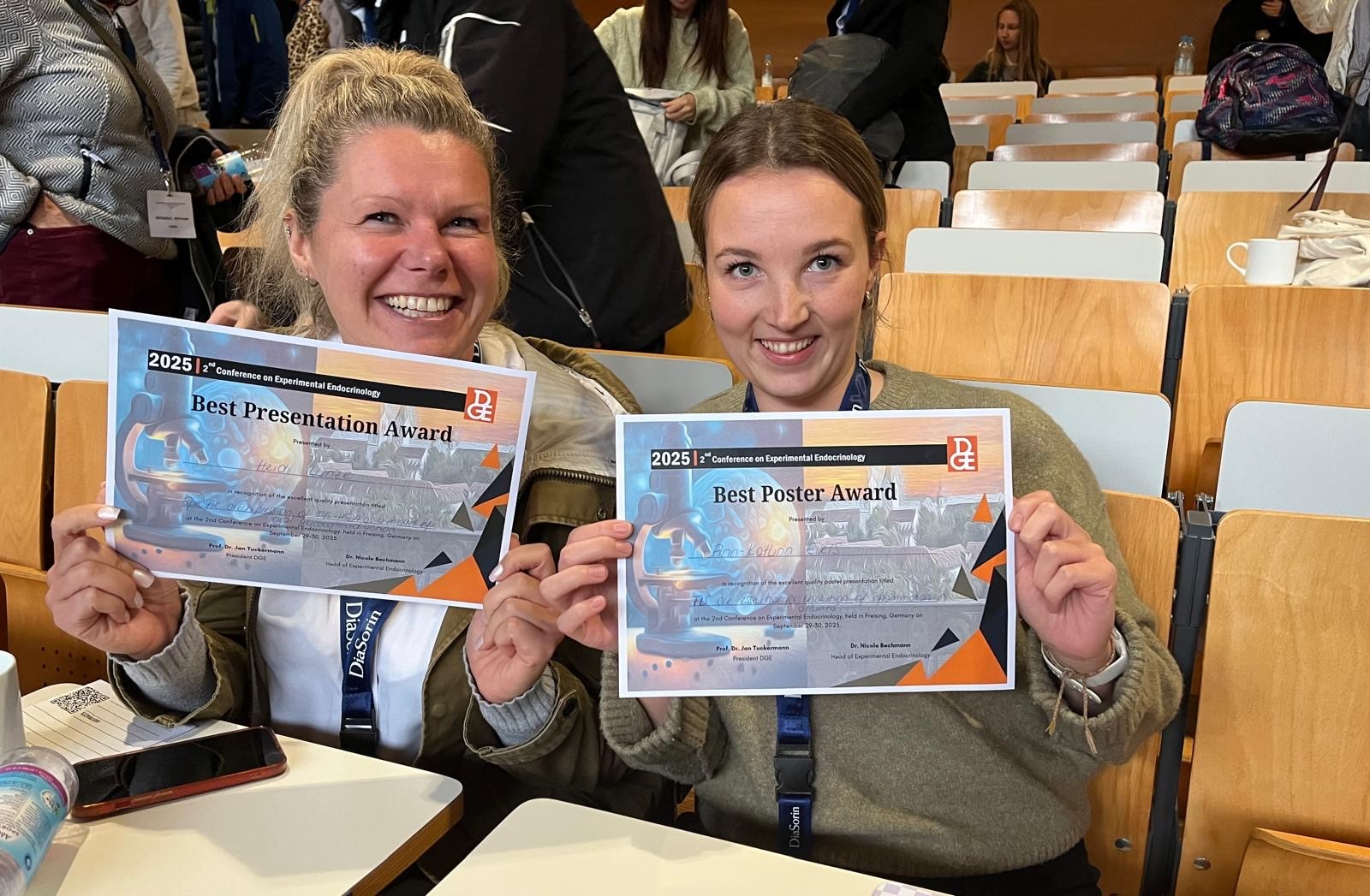
DIONE Researchers Receive Best Presentation and Best Poster Awards in Freising
We are proud to share that two DIONE doctoral researchers received top honors at the 2nd Conference on Experimental Endocrinology in Freising!
Heidi Lunze (TU Dresden, B06 project of PD Dr. rer. nat. Ulrike Baschant) was awarded the Best Presentation Award for her talk:
“Specific overexpression of 11β-HSD1 as a model of local glucocorticoid action”
Ann-Kathrin Eiers (University of Ulm, B06 project of Prof. Dr. Jan Tuckermann) received the Best Poster Award for her poster:
“Fibroblast-like synoviocytes (FLS) are essential for resolution of inflammation in arthritis”
We are truly delighted by this recognition and proudly congratulate both researchers on this great success!
The DIONE project B06 “Genetically-driven cell-specific activation of glucocorticoids and GR as a therapeutic tool in inflammatory arthritis” investigates how glucocorticoids act specifically on certain cell types in order to make better therapeutic use of their powerful anti-inflammatory effects while minimizing side effects such as osteoporosis.
By studying cell-specific glucocorticoid signaling in immune and stromal cells, the project aims to develop precise and safer therapeutic strategies for inflammatory arthritis.
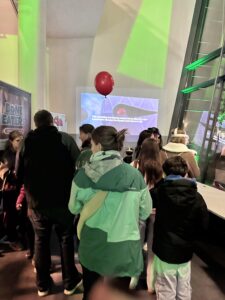
What a night at LNdW2025!
From the first hour until midnight, our booth “3D Knowledge Worlds – Explore, Play, Heal” was buzzing with curious and enthusiastic visitors. Experiencing their excitement first-hand was truly inspiring and showed just how powerful digital and interactive formats can be in making science and medicine more accessible.
Our goal is to bridge research, clinical practice, and public understanding — and this evening made it clear just how impactful that can be.
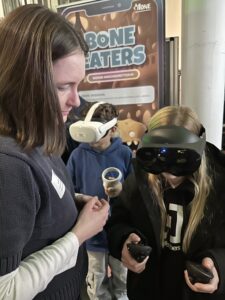
We showcased the first prototype of our XR game BoneEaters. With their smartphones, visitors explored how chronic inflammation leads to bone loss, turning the findings from TRR369 DIONE into a vivid, hands-on experience. The game is free to download in the App and Play Store until the end of the year.
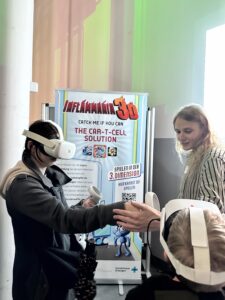
Visitors also had the chance to dive into the CARSLE VR app, experiencing the journey of CAR-T cell therapy — from malfunctioning immune cells to reprogrammed T cells. A powerful way to explain complex treatments and support patient decision-making.
And of course, younger guests loved INFLAMMANIA 3D – The CAR T-cell Solution, our Roblox prototype, which we have developed with master students of Benedikt Morschheuser!
All these projects share a mission: making science engaging and connecting researchers, clinicians, and patients through immersive tech.
A big shout-out to our amazing interdisciplinary Inflammation Research Erlangen Team at Deutsche Zentrum Immuntherapie (DZI), Universitätsklinikum Erlangen and FAU Erlangen-Nürnberg – thank you for your creativity, teamwork, and commitment to making such formats possible!
Meet our Researcher: Stephen Ariyeloye
What is your current position?
I am a PhD student at the Institute for Clinical Chemistry and Laboratory Medicine, TUD, Dresden.
What is your main research focus?
My research focuses mainly on unraveling the regulatory mechanisms linking chronic gut inflammation and bone loss. Specifically, we are investigating the interplay between gut vascular
barrier dysfunction and bone loss in the context of intestinal inflammation induced by altered systemic erythropoietin (EPO) levels.
What does your typical workday look like?
My typical day at work involves planning and performing experiments, analyzing experimental data, literature review, attending lab and scientific meetings, as well as discussing ideas and results with my supervisor and other colleagues.
Meet our Researcher: Dr. Aline Bozec
What is your current position?
I am Professor of Experimental Immunotherapy and scientific director of the Department of Medicine 3 – Rheumatology & Immunology at Friedrich‑Alexander‑Universität and Uniklinikum Erlangen. I also serve as the speaker of the Transregio CRC 369 “DIONE – Degeneration of Bone due to Inflammation”.
What is your main research focus?
My research team investigates the cellular and molecular mechanisms underlying inflammatory bone loss in autoimmunity and osteoporosis. We focus on: The interplay between immune cells (eosinophils, B cells) and bone-resorbing osteoclasts in diseases such as rheumatoid arthritis. Novel metabolic and signaling pathways — including L-arginine metabolism, hypoxia‑inducible factors (HIFs)— that regulate osteoclast differentiation and activity.
What does your typical workday look like?
A typical day includes mentoring PhD students and postdocs, coordinating ongoing projects within DIONE, and analyzing experimental data from in vitro and in vivo models. I lead lab meetings to align on research progress, interact with clinical collaborators, and work on grant proposals and publications.
Meet our Researcher: Dr. Claudia Günther
What is your current position?
I am Professor of Gastrointestinal Pathophysiology at Friedrich‑Alexander‑University and Uniklinikum Erlangen. I also serve as the co-speaker of the clinical research group CRU 5024 focusing on gut-brain communication (Gb.com) as well as the speaker of the Erlangen Vesicle Initiative.
What is your main research focus?
My research team investigates the cellular and molecular mechanisms governing communication across organs and even biological kingdoms in the context of immune-mediated inflammatory diseases. Our work focuses on dissecting host-microbe interactions, organ-to-organ crosstalk, and metabolic alterations along critical axes such as the gut-bone, gut-liver, and gut-brain axis. A major aim of our research is to translate these mechanistic insights into innovative therapeutic and diagnostic strategies, with the long-term goal of modulating cellular communication to prevent or treat inflammatory diseases more effectively.
What does your typical workday look like?
A typical workday for me involves analyzing data, designing experiments, giving lectures, teaching, mentoring students, and coordinating ongoing research projects.
Meet our Researcher: Dr. Inga Viktoria Hensel
What is your current position?
I am a Senior Postdoc and Principal Investigator in the Laboratory for Gastrointestinal Pathophysiology. As a next step in my career I want to establish my own research group.
What is your main research focus?
My research focus is on understanding how changes in the epithelial barrier shape immune responses in distant organs. More specifically I am interested to unravel microbiome-host communication and its impact in gut-bone communication.
What does your typical workday look like?
My typical day includes project management and a lot of communication. I meet with technicians and students to discuss their experiments and follow up on collaborations. I analyze data from experiments and interpret them in the scientific context. I create presentations or write grant proposals. And if there is any time left, I catch up on latest literature.
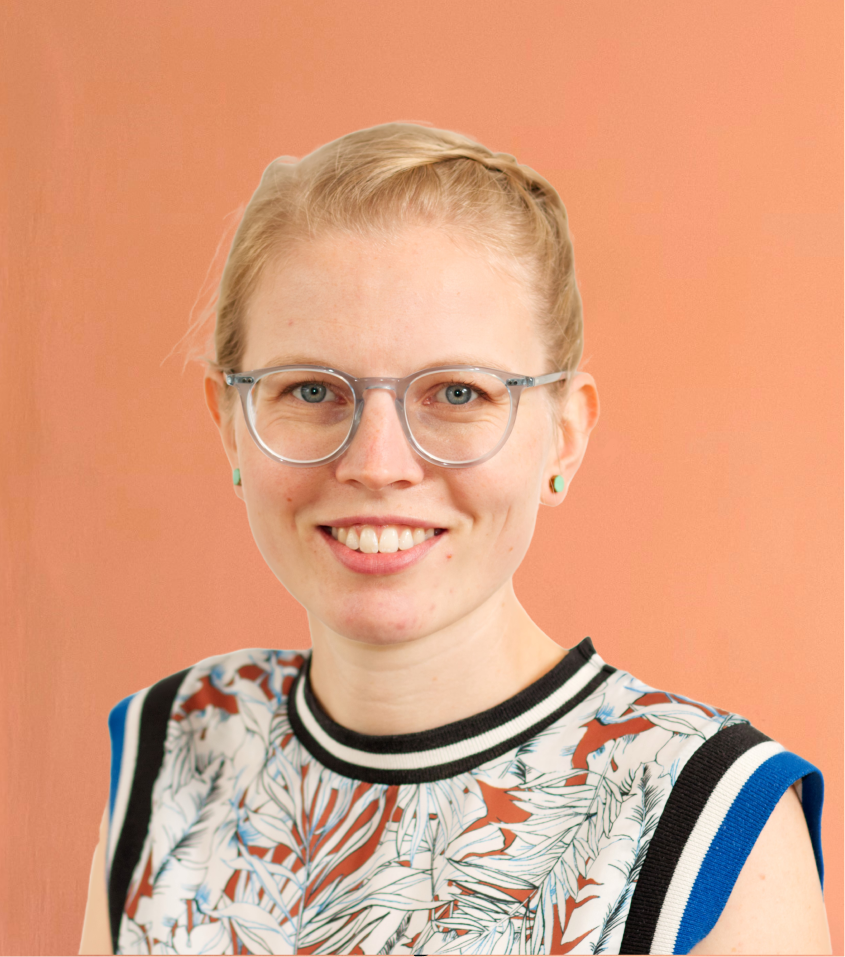
Meet our Researcher: Dr. Juliane Salbach-Hirsch
What is your current position?
I am a postdoctoral researcher and Principal Investigator at the Bone Lab Dresden. Within the DIONE network, I am co-leading project A03 together with Prof. Sebastian Zundler (FAU Erlangen) that investigates how gut-derived immune cells contribute to inflammatory bone loss. Aside from DIONE I direct the interdisciplinary REGAGforBone consortium conducting preclinical tests in models of bone regeneration.
What is your main research focus?
My research focuses on how extracellular matrix components and immune signals regulate bone remodeling. I study how molecules such as glycosaminoglycans modulate pathways like WNT and RANKL/OPG, affecting osteoblast and osteoclast function. A key part of my work is the development of biomaterials that harness these mechanisms to improve bone regeneration under pathological conditions. Building on my previous work, we now investigate what may be the drivers of the bone loss observed in patients with inflammatory bowel disease.
What does your typical workday look like?
A typical day includes mentoring and exchanging ideas with students and postdocs, coordinating ongoing projects, and analyzing experimental data from in vitro and in vivo models. I participate in the education of medical students and interact with collaborators on grant proposals and publications. In the BoneLab I also take on lab responsibilities such as serving as the safety officer.