
What is your current position?
I am a doctoral researcher in the scientific laboratory of the Department of Orthodontics and Orofacial Orthopedics at Universitätsklinikum Erlangen where we investigate molecular and developmental mechanisms that contribute to orofacial diseases and shape craniofacial biology. I am part of the Transregio CRC 369 “DIONE – Degeneration of Bone due to Inflammation”.
What is your main research focus?
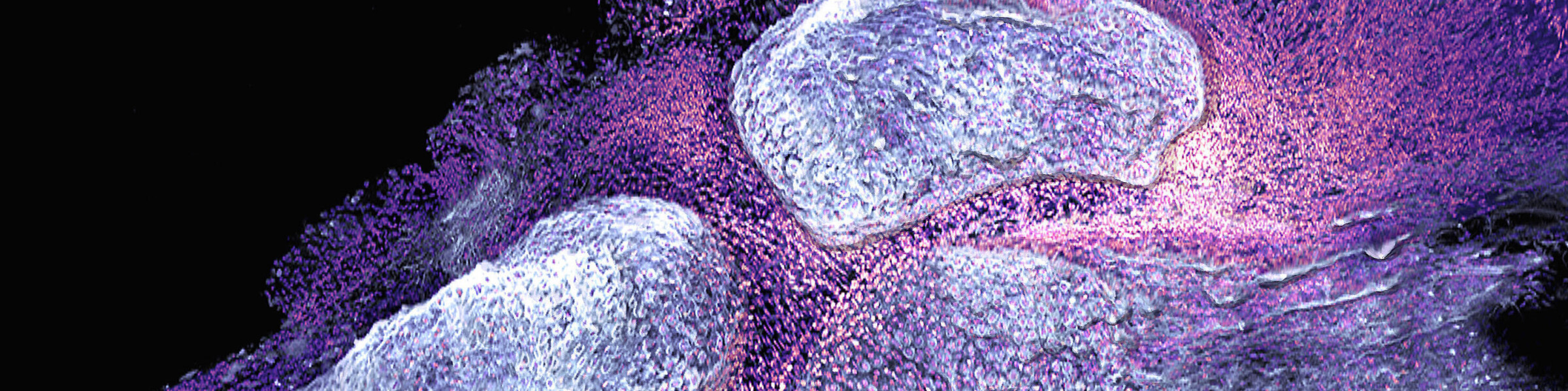
Within DIONE, my research explores how inflammatory processes — whether sterile or non-sterile — impact bone health. My research investigates how osteoclasts are shaped by a complex cellular microenvironment. Using advanced tissue-level bioimaging and niche-specific transcriptional profiling, our goal is to understand how these microenvironmental cues drive inflammation-induced bone loss in models of arthritis and periodontitis.
What does your typical workday look like?
My everyday work combines planning and conducting laboratory experiments with extensive data analysis. Outside the bench, I focus on interpreting results, preparing figures, and engaging in scientific discussions with colleagues.
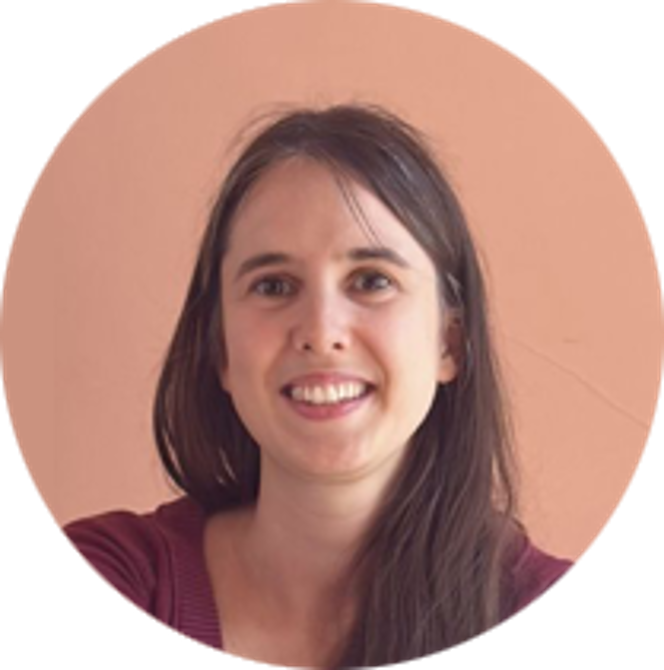
Meet our Researcher: Kara Nachtnebel
What is your current position?
I work as a PhD student at a collaboration project between the Medicine 3 of Uniklinikum Erlangen (Uderhardt lab) and the Max-Planck-Zentrum für Medizin und Physik (Zaburdaev lab). This collaboration allows me to work closely with colleagues from diverse backgrounds, ranging from medicine and biology to computer science and theoretical physics.
What is your main research focus?
Our research aims to uncover how cells communicate within intercellular networks. We are particularly interested in networks of osteocytes or interstitial fibroblast, which form intricate connections that allow cells to coordinate their functions and even share resources. A key focus of our work is on calcium signaling — a fundamental process through which cells exchange information. By combining experimental observations with mathematical modeling, we study how calcium signals propagate through these networks and how changes in network organization, such as those occurring in disease, can disrupt communication. Ultimately, this approach helps us better understand how cellular miscommunication contributes to tissue dysfunction and pathology.
What does your typical workday look like?
As a member of two distinct research groups, I need to organize my work accordingly. Typically, my schedule includes meetings and talks. Before and after these appointments, I am free to engage in self-organized work, such as reading the literature, adjusting code, creating plots and figures, and writing.